
OUR STORY
How it started
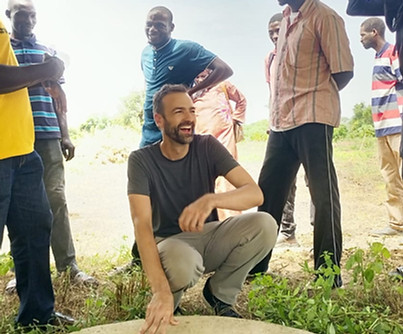
Sixteen years ago, I traveled to Mali as part of a medical mission — leading art workshops for children and families receiving care. Before I left, the health professionals I'd worked alongside gave me a piece of advice: if you ever come back, start a hand washing initiative. It would do more for public health here than almost anything else.
So we did. We went into schools, organized sports tournaments, and used the energy and enthusiasm of kids and families to spread a simple message: wash your hands with soap. It was working.
Then we asked a question that changed everything: where is this water coming from?
The answer, almost every time, was the same. Local women and girls were carrying it from great distances — hours out of their day, energy out of their bodies — to supply our workshops. It was generous, and it was unsustainable.
Around the same time, a group of 42 women approached us. They tended a small garden together, but had no reliable water source, no fencing, and no shelter.
We asked them to design their dream garden. Then we helped them build it.
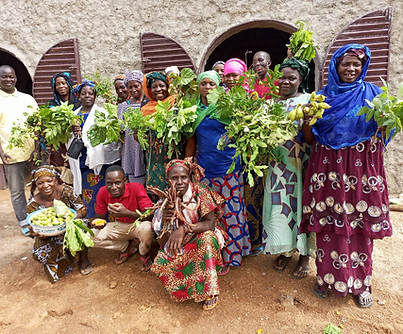
The results were undeniable. A new chapter of the Wash Project was born — and we haven't looked back. Every year since, we have partnered with one new community, helping them build a garden that transforms not just their harvest, but their village. Today, the Wash Project works directly with over 1,200 women and their families across rural Mali.
We're so happy you're here.
With gratitude,
Barclay Martin, Co-Founder
OUR MISSION
The Wash Project partners with women growers and their communities in rural Mali to build organic gardens that produce food, generate income, and bring clean water to village life — guided by a deep commitment to regenerative agriculture and food sovereignty.
THE FOUNDING PARTNERSHIP
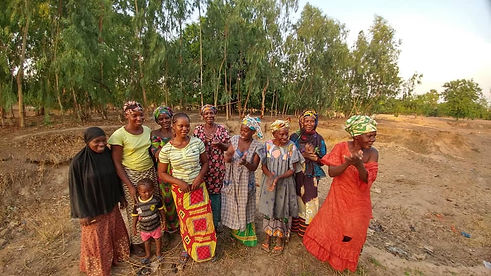
The Women of Faso Dambe Garden
In 2020, a group of 42 women approached us. They tended a small patch of ground as a garden — with no reliable water, no fencing, and no shelter. They slept on the ground through the growing season to protect their crops from animals that roamed freely through their village at night.
We asked them to design their dream garden. Then we helped them build it. The results were so clear that we took on this new direction without hesitation. Since then, we have built a new garden every year.
Today, the Wash Project directly partners with over 1,200 women and their families.
THE WASH PROJECT TEAM
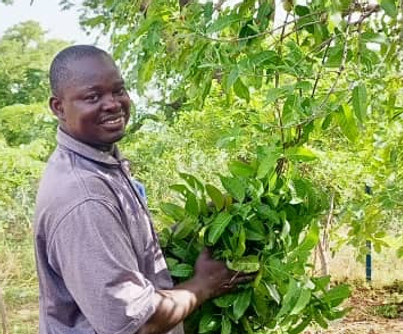
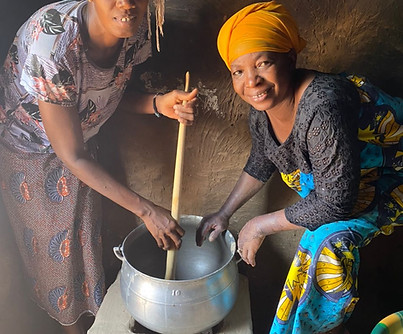
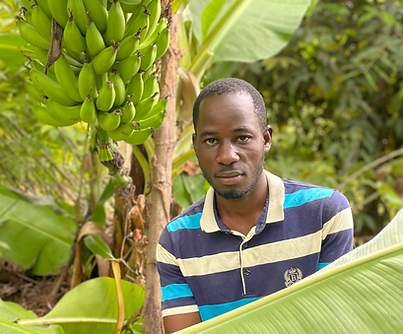
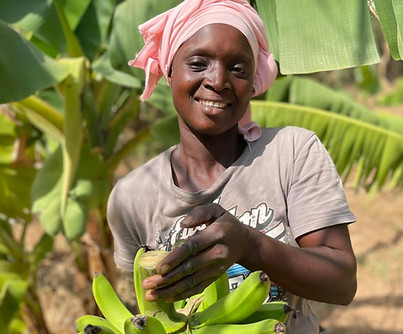
Meet our advocates, teachers, cultivators and connectors. None of this work would be possible without the commitment of our team in Mali.